The Blog
Matcha Explained: Its History and How to Choose the Right Grade
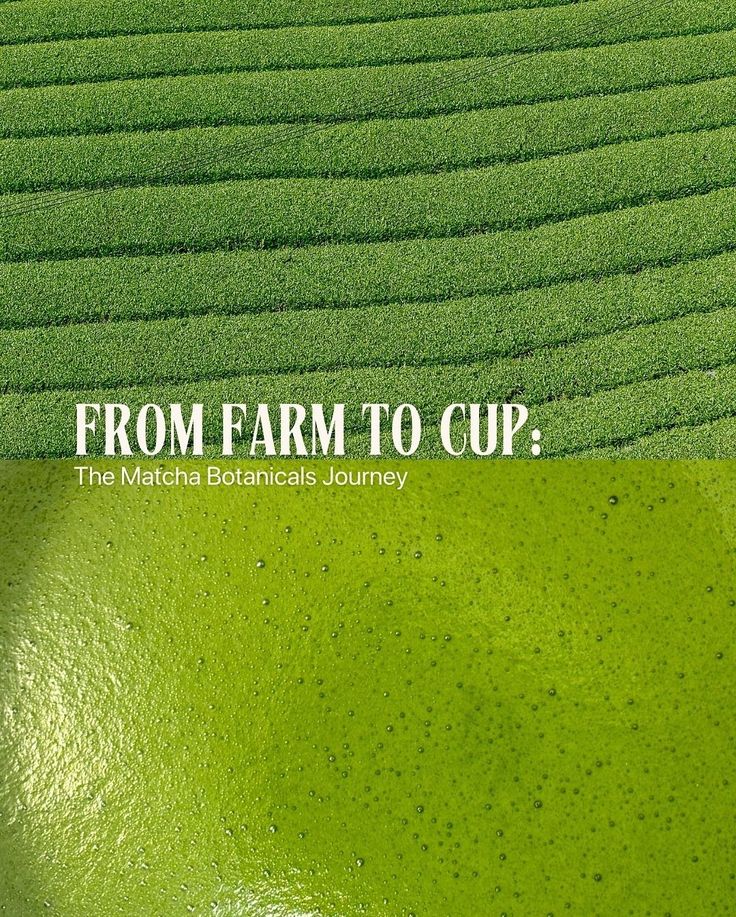
Matcha is more than a green powder. It is a whole tea leaf, grown in the shade, ground slowly into a fine dust and whisked into a bright, creamy cup. Because you drink the entire leaf, quality matters more than with any other tea. Here is where matcha comes from, and how to choose the right grade for you.
Born in China
Matcha's story starts in China during the Song dynasty (960–1279). Tea leaves were steamed, dried and ground into powder, then whisked with hot water in dark glazed bowls. It was the fashionable way to drink tea, and Zen Buddhist monks used it to stay alert through long hours of meditation. You can read more about this period in our history of tea in China.
Perfected in Japan
In 1191 the Japanese monk Eisai returned from China with tea seeds and the custom of whisked powdered tea. In 1211 he wrote Kissa Yōjo-ki ("Drinking Tea for Health"), and tea spread from temples to samurai and noble households.
While China moved on to loose-leaf tea, Japan made powdered tea its own. Growers around Uji, near Kyoto, learned to shade their tea fields before harvest, which made the leaves greener, sweeter and richer in flavour. In the 16th century the tea master Sen no Rikyū shaped the Japanese tea ceremony (chanoyu) around simplicity, respect and calm, and matcha has been at its heart ever since.
How matcha is made
- Shading: for about three to four weeks before picking, tea plants are covered to block most of the sunlight. The leaves produce more chlorophyll and the amino acid L-theanine, which gives matcha its deep green colour, its sweetness and its calm, focused feeling.
- Picking: the best matcha uses the youngest, most tender leaves from the first harvest of spring.
- Steaming and drying: the leaves are steamed to keep them green, then dried flat. Stems and veins are removed, leaving pure leaf called tencha.
- Stone grinding: tencha is ground slowly between granite stones. It is so slow that one mill makes only a few dozen grams an hour, which keeps the powder fine as silk and stops heat from spoiling the flavour.
Understanding matcha grades
There is no official law that defines matcha grades. Words like "ceremonial" and "culinary" are used by producers and sellers to describe quality and the best use. Here is what they usually mean:
Ceremonial grade
Made from the youngest first-harvest leaves and stone-ground. Vivid jade green, very fine, with a smooth, sweet, umami taste and little bitterness. It is made to be enjoyed simply with water, whisked the traditional way. Our Ceremonial Matcha belongs here.
Premium or latte grade
Still a good everyday matcha, often from slightly later leaves. A touch more robust, so it holds its own in milk. Ideal for daily lattes and iced matcha.
Culinary grade
Made from later harvests. More olive in colour and more astringent, designed to keep its flavour when mixed into baking, smoothies and desserts. Not meant to be drunk on its own.
How to recognise good matcha
- Colour: bright, vibrant green. Dull, yellowish or brownish powder is older or lower grade.
- Texture: as fine as talc, slightly sticky between your fingers.
- Aroma: fresh, grassy and sweet, never musty.
- Taste: smooth and creamy with a gentle sweetness, and a clean finish.
- Freshness: matcha is delicate. Keep it sealed, away from light, heat and moisture, and enjoy it within a few weeks of opening.
How to prepare a bowl of matcha
- Sift about 1 teaspoon (around 2 g) of matcha into a bowl to remove lumps.
- Add a little water at about 80°C. Boiling water makes matcha bitter.
- Whisk briskly in a zig-zag "M" or "W" motion for about 30 seconds, until a fine froth forms.
- Add more hot water, or steamed milk for a latte, and enjoy right away.
What about blue and purple "matcha"?
Colourful powders are often called matcha, but they are not green tea. Our Blue Matcha is made from butterfly pea flower and is naturally caffeine-free, and our Purple Matcha is a fruity botanical powder. They are lovely for colourful lattes and desserts, and a fun way to play alongside a classic green bowl.
A ritual worth slowing down for
Whether you whisk a traditional bowl in the morning or make an iced latte in the afternoon, matcha invites you to pause for a moment. Explore our matcha collection and find the cup that suits you.
